Georgia spent most of the last decade as one of the busiest places in the world to shoot film and television. It still is, but the picture has changed. Production spending peaked in fiscal year 2022 and has fallen sharply since, soundstage space built during the boom is waiting for tenants, and other states and countries have rewritten their incentives to compete. This post covers how Georgia’s film industry got here, what the tax credit looks like today, what’s being filmed now, and what the next few years might hold.
How Georgia Became a Film Hub
The turning point was the Georgia Entertainment Industry Investment Act in 2008. The state had hosted productions for decades before that (Deliverance was shot in Rabun County in the early 1970s), but the 2008 law made Georgia one of the most generous places in the country to spend a production budget. Within a few years Marvel, AMC, Netflix and most of the major studios were shooting here regularly.
Three things kept them coming back. The incentive was uncapped and had no sunset date, which let studios plan multi-season series around it. The state built infrastructure quickly: Georgia now has more than 4 million square feet of stage space, including purpose-built campuses like Trilith Studios in Fayetteville and Assembly Studios in Doraville, plus the world’s busiest airport a short drive from most of it. And the crew base grew with the work. Productions that once flew in department heads from Los Angeles now hire locally for almost every position.
The Tax Credit, As It Works Today
The core of the program hasn’t changed much. Productions that spend at least $500,000 in Georgia on qualified expenses earn a 20% transferable income tax credit. Adding the Georgia peach logo to the credits (and meeting the related promotional requirements) adds another 10%, for a total of up to 30%. The $500,000 minimum can be met by combining multiple projects in a single tax year. There’s no annual cap on the program and no sunset date, which remains unusual among U.S. states.
A few things have changed. Since January 1, 2023, every project claiming the credit has had to complete a mandatory audit before the credit is issued, regardless of its size. The withholding rate on loan-out companies is now 4.99%. And starting with tax years beginning January 1, 2026, Georgia revived a separate postproduction tax credit: Georgia-based post houses with at least $500,000 in qualified spending can earn 20%, plus 10% if the project was shot in Georgia and another 5% for work done in qualifying rural counties, under a $10 million cap over five years. That program sunsets in 2031.
Because the credit is transferable, most studios don’t use it against their own Georgia tax bill. They sell it, usually to Georgia individuals and companies, at a discount. According to the Atlanta Journal-Constitution, credits typically trade at around 90 cents on the dollar. Lawmakers have debated capping or restricting the program several times, most seriously in the 2024 session, when two bills that would have amended the credit stalled in the Senate. No cap has passed as of this writing.
What the Numbers Look Like Now
The Georgia Film Office reports direct spending by film and TV productions each fiscal year (July through June). The trend tells the story. Fiscal 2022, the peak, came in at $4.4 billion. Fiscal 2025 was $2.3 billion. Fiscal 2026, which ended June 30, 2026, came in at roughly $2 billion across 280 productions: 13 feature films, 77 independent films, 130 television and episodic projects, and 54 commercials.
Two things stand out in those numbers. Spending is less than half of what it was four years ago, which the AJC attributes to studios greenlighting fewer projects with tighter budgets, and to competition from states and countries with newer incentives and cheaper labor. At the same time, the number of productions is up slightly, and independent film is up 83% year over year. Fewer big-budget studio tentpoles, more smaller projects.
The direct-spend figure deliberately excludes studios, support businesses, tourism and the like, so the overall economic footprint is larger. Georgia-lensed shows picked up 27 Emmy nominations in 2026, and the state office likes to point to local effects like the surge of visitors to Dahlonega after Netflix’s His & Hers.
What It Means for Crew and Background Actors
The slowdown has been hardest on crew. Hundreds, possibly thousands, of Georgia crew members have been out of work or underemployed since 2023, first because of the writers’ and actors’ strikes and then because the work didn’t come back at the previous volume. When a show like Will Trent does return, the impact is real: season four employed more than 900 Georgia crew members.
For background actors, the practical effect is that casting calls are more competitive and more of them come from independent films and series rather than big studio features. If you’re new to it, start with our guide on how to start as a background actor in Georgia, our rundown of the background casting companies working in Atlanta, and what background actors get paid in Atlanta.
What’s Filming Now
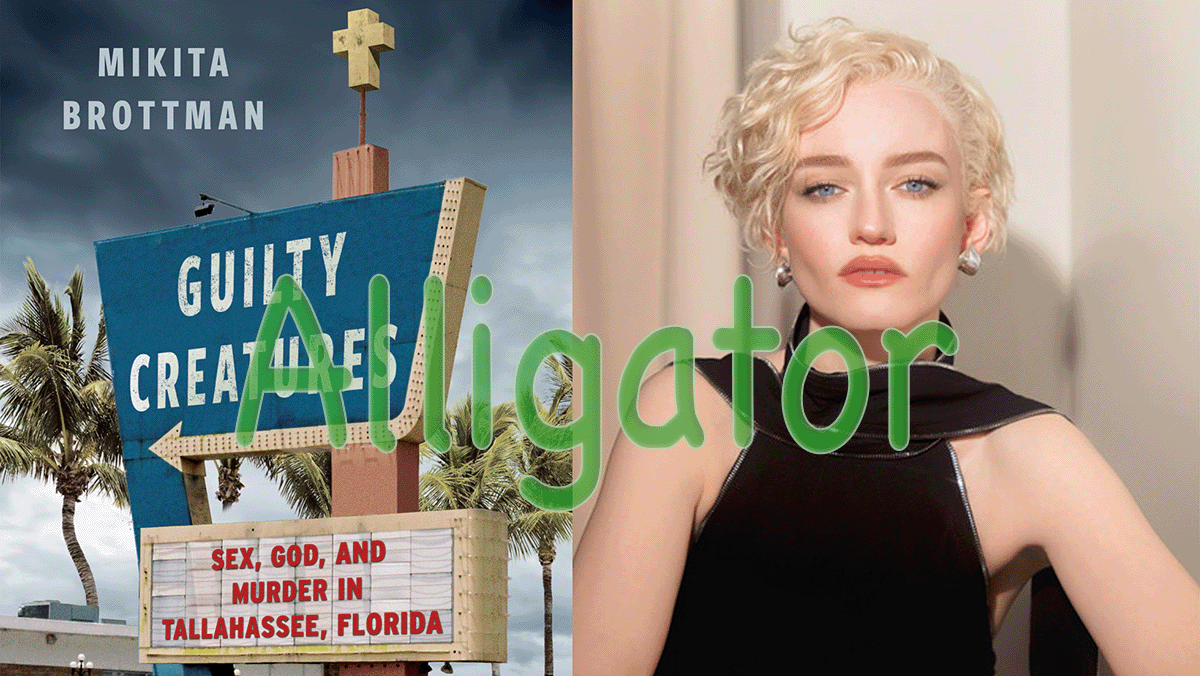
Even in a slower year there’s a steady stream of work. As of fall 2026, projects shooting in and around Atlanta include Superman: Man of Tomorrow, Apple TV’s Guilty Creatures, Benny Safdie’s Lizard Music at Trilith, Netflix’s Scooby-Doo origin series, Golf Trip, and season two of Free Bert. We keep a running list on our current productions in Georgia page and post updates as new projects start.
Where It Goes From Here
Georgia’s advantages haven’t gone anywhere: the credit is still uncapped, the stages are built, the crews are experienced, and the state has more than 10,000 catalogued filming locations ranging from Atlanta high-rises to coastal Savannah to the north Georgia mountains. The open question is demand. Studios and streamers are making fewer, cheaper projects everywhere, and more states are competing for the ones that get made.
The likely path is a smaller but steadier industry than the 2019–2022 boom: more independent and mid-budget projects, more television, and a growing postproduction sector now that the new credit is in place. We’ll keep tracking it here.
Sources: Georgia Film Office FY2026 production report (July 2026); Atlanta Journal-Constitution, “Georgia film and TV production spending slips to $2B, a 10-year low” (July 31, 2026); Georgia Department of Revenue on mandatory audits; Arnall Golden Gregory summary of H.B. 129.